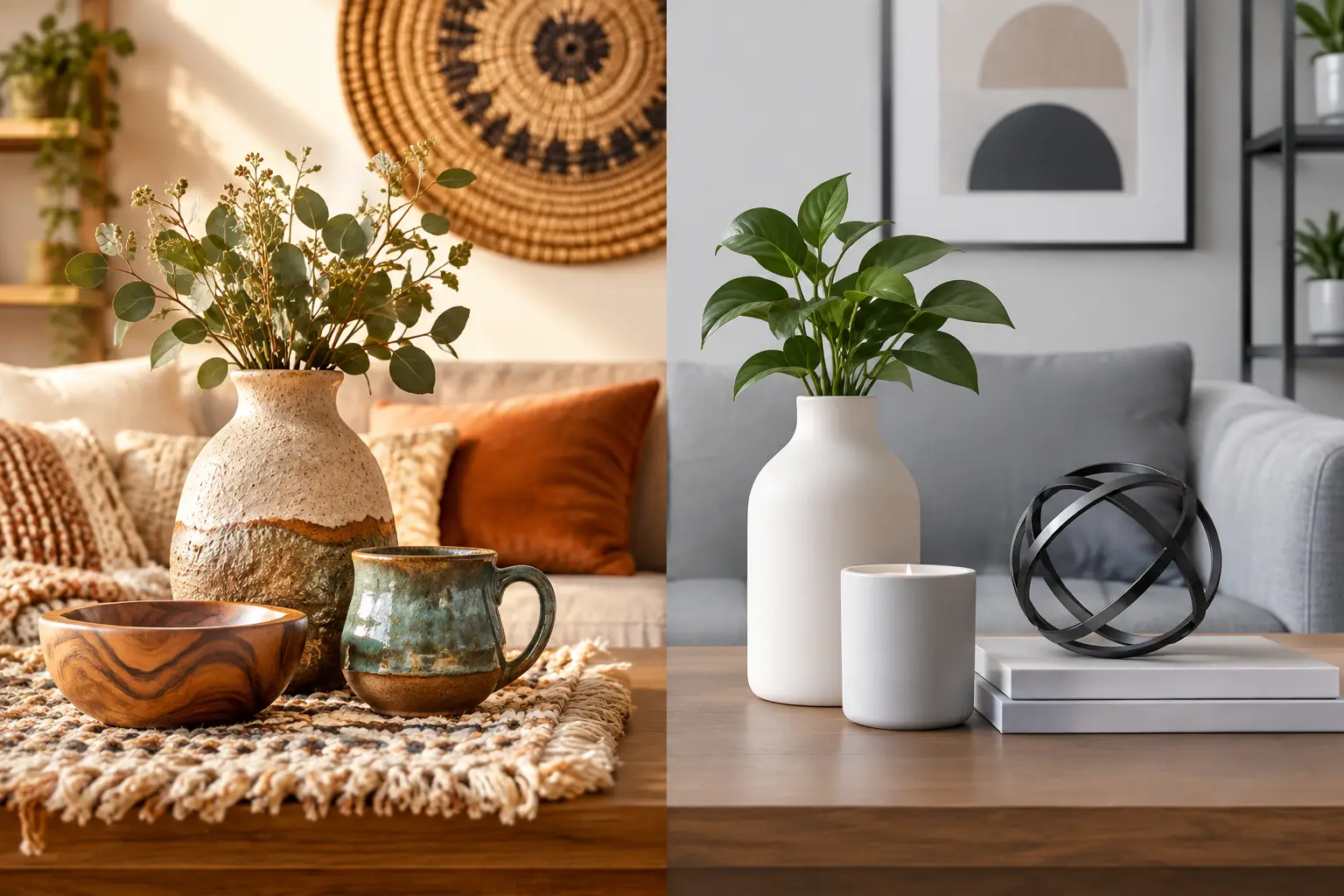
A tiny ceramic spoon rest beside the stove, a dragon perched on a bookshelf, or a bonsai pot catching the afternoon light can change the feeling of a room. That is where handmade versus factory decor becomes more than a shopping decision. It becomes a choice about whether the objects around you simply fill a space or help tell its story.
Factory-made decor has its place. It can be affordable, easy to replace, and useful when you need several matching items quickly. But handmade ceramics and artwork offer something different: a visible human touch, small variations worth noticing, and the quiet pleasure of bringing home an object that was shaped, cleaned, glazed, and kiln-fired by an artist rather than produced by the thousands.
Handmade Versus Factory Decor: The Difference You Can Feel
The most obvious difference is often personality. Factory decor is designed for consistency. A retailer may need hundreds or thousands of identical planters, dishes, figurines, or wall accents to arrive looking nearly the same. That uniformity is practical, especially for a coordinated room or a large project, but it can also make a home feel like it was assembled from a catalog page.
Handmade decor is allowed to have a little more character. A glaze may pool more deeply along the edge of a leaf dish. The texture on a gnome’s hat may catch the light differently from one piece to the next. A hand-finished bonsai pot may show subtle evidence of the studio process in its shape, surface, or color movement. These are not flaws to hide. They are part of what makes a handmade piece feel alive.
Ceramics make this distinction especially clear. Before a finished piece becomes a useful planter, trinket dish, spoon rest, or fantasy sculpture, it moves through several hands-on stages. Slip is poured into a mold, the greenware is released and carefully cleaned, details are refined, glaze is applied, and the piece is fired in a kiln. Each stage affects the final result. Even when an artist uses the same mold more than once, the hand-finishing and firing process make room for gentle variation.
That variation matters because homes are personal. A small ceramic turtle on a windowsill or a coastal print above a reading chair does not need to match everything else perfectly. It only needs to feel like it belongs to you.
The Real Value Is Not Just the Price Tag
It is fair to compare prices. Factory-made decor is usually less expensive upfront because its production is streamlined, materials are purchased at scale, and labor is distributed across high-volume manufacturing. If you need ten matching bud vases for an event or a simple accent for a temporary space, factory decor may be the sensible choice.
Handmade pieces carry the cost of time, skill, studio materials, glazing, firing, packaging, and the occasional surprise that comes with kiln work. A ceramic piece can crack, warp, or emerge from the kiln with a glaze result that is beautiful but unexpected. The finished object represents not only clay and color, but also careful attention and risk.
For many shoppers, the value of handmade decor grows over time. A mass-produced tray can be replaced without much thought. A hand-glazed jewelry dish that holds your favorite earrings every night can become part of your daily rhythm. A whimsical castle or dragon can become the piece guests ask about. A bonsai pot can mark the beginning of a plant you have cared for over many seasons.
The best choice depends on how you want the object to serve your life. Not every item in a home must be a collectible work of art. Yet the pieces you touch often, give as gifts, or place where they will be noticed can be wonderful places to choose something made with care.
Handmade decor makes practical objects feel special
Useful items are often the easiest way to bring more handmade work into a home. A spoon rest keeps cooking utensils off the counter, but it can also bring a little color and charm to the kitchen. A leaf dish can hold rings by the sink, tea bags near the kettle, or tiny treasures on a dresser. A planter can support healthy roots while adding a sculptural focal point to a shelf.
That blend of usefulness and imagination is what makes ceramic decor so inviting. You do not have to save it for a special occasion. A hand-finished piece earns its place by being part of ordinary life.
Why Small-Batch Pieces Feel More Personal
Small-batch decor is not about chasing perfection in the factory sense. It is about making thoughtful choices at a human scale. An artist can spend time defining the scales on a dragon, softening the expression on an animal figurine, or choosing a glaze that suits the curve of a bowl. That attention creates objects with their own presence.
It also gives shoppers more room to find something that reflects their interests. A plant lover may be drawn to a bonsai pot with an earthy finish. A fantasy collector may want a dragon, castle, dinosaur, or gnome that adds a bit of storybook fun to a display. Someone decorating a coastal room may choose an art print or ceramic accent that brings in the calm shapes of nature and water.
Factory decor often follows broad trends because it must appeal to the largest possible audience. Handmade work can be more wonderfully specific. It can be quirky, nature-inspired, magical, rustic, colorful, or quietly simple. Those details help a room feel collected rather than copied.
The maker connection changes the gift
A handmade gift has an extra layer of thought behind it. When you give someone a ceramic trinket dish, a hand-finished planter, or a ready-to-paint bisque figure, you are giving more than an object. You are giving them a piece of a studio process and a choice that was made with their personality in mind.
This is especially true for people who are hard to shop for. A dragon lover may not need another ordinary mug, but a small ceramic dragon can feel delightfully unexpected. A bonsai enthusiast may appreciate a pot that gives their tree a distinct home. A family who enjoys craft projects may love unfinished bisque that they can paint together, making the finished piece their own.
The object does not need to be expensive to feel meaningful. It needs to feel chosen.
When Factory Decor Is the Better Fit
Choosing handmade does not mean rejecting every factory-made item. A balanced home often has both. Factory decor can be useful for basics, matching storage, large quantities, or items likely to face hard daily wear. It can also help you establish a neutral foundation when you are furnishing a room from scratch.
Then handmade pieces can bring in the soul. Think of a simple shelf styled with a few personal objects, or a clean kitchen counter warmed by one cheerful ceramic spoon rest. A room does not need dozens of artisan pieces to feel special. One small planter, one wildlife print, or one fanciful figurine can shift the mood of an entire corner.
A thoughtful mix also keeps decorating approachable. Start with what you use and love. If you care for houseplants, choose a planter that makes you smile during watering day. If you collect fantasy art, add a ceramic creature that feels at home among your books. If you enjoy hosting, use a handmade dish for wrapped candies, lemon slices, or jewelry-sized party favors.
Choosing Decor You Will Still Love Later
Before bringing home any decor, handmade or factory-made, imagine it in the rhythm of your actual space. Will you use it? Will it make you pause and look twice? Does its color, shape, or subject connect with something you already love?
For handmade ceramics, it also helps to welcome the details that make each piece individual. Slight shifts in glaze, tiny variations in finish, and the marks of handwork are reminders that the object had a journey before it reached your home. Treat it with the same common-sense care you would give any ceramic piece, and let it become part of your everyday rituals.
The goal is not to make every room look like a gallery. It is to choose objects that make your home feel more like your own: useful when they need to be, whimsical when they can be, and full of small discoveries that reward a closer look.
About the Artist
Billy Williams is the artist behind Billy’s Creations TX, where he creates handcrafted ceramics, bonsai pots, wildlife photography, and other original artwork. To see more of his work or browse available pieces, visit https://billyscreationstx.etsy.com.
Choose the pieces that invite you to use them, enjoy them, and make a little more room for wonder at home.